
How to Make a Charcuterie Board That Looks & Tastes Good!
Who is this guide for?
This guide is for anyone who loves hosting! Whether you’re putting together a casual board at home, planning a gathering, or sourcing elevated serving solutions for meetings, events, or corporate catering, this guide should help.
What we’re hoping to offer readers!
A simple, approachable guide to creating a charcuterie board that balances flavor, presentation, and ease. From what to include and how to arrange it, to choosing a board that works as beautifully as it looks, this post is designed to help you host with confidence.
Key Takeaways:
- What to put on a charcuterie board for balance, variety, and visual appeal.
- How to arrange a board so it feels intentional and inviting.
- What to look for when choosing a charcuterie board that’s durable, functional, and versatile for both everyday and professional use.
Charcuterie boards have become the go-to solution for everything from casual nights-in to corporate gatherings. There is a good reason too. They’re flexible, visually impressive, and invite people to slow down and connect. But if you’ve ever stared at an empty board wondering what actually goes where, you’re not alone.
This guide will walk you through how to make a charcuterie board, what to include, how to arrange it, and how to choose the right board so the final result feels effortless and elevated. Whether you’re hosting friends at home or planning a professional event these tips are sure to help!
What Is a Charcuterie Board, Really?
At its core, a traditional charcuterie board focused on cured meats. Today, the term has evolved into something much broader: a curated spread of meats, cheeses, accompaniments, and textures designed to be shared.
Modern charcuterie boards are less about rigid rules and more about balance: savory and sweet, soft and crunchy, simple and intentional. The goal isn’t perfection; it’s creating an inviting experience that encourages people to gather, graze, and linger.
Why Presentation Matters Just as Much as Ingredients
A great charcuterie board doesn’t just taste good. It’s important that it looks good too. Visual presentation sets the tone before anyone takes a bite. Thoughtful spacing, color contrast, and an intuitive layout make the board easier to enjoy and more memorable.
This is where form and function intersect. When a board is designed for real use (not just display) it allows hosts to focus less on logistics and more on connection.
What to Put on a Charcuterie Board
If you’re wondering what to put on a charcuterie board, think in categories rather than exact items. This makes planning easier and allows for customization based on your audience.
Start with the Anchors: Meats & Cheeses
These are the foundation of your board.
For meats, consider offering two to three options:
- Prosciutto or jamón for something delicate
- Salami or soppressata for a classic, hearty bite
- A smoked or spicy option for contrast
For cheeses, variety is key:
- One soft cheese (brie, goat cheese)
- One firm or aged cheese (cheddar, gouda)
- One bold option (blue cheese or washed rind)
Add Texture and Contrast
Once your anchors are placed, build around them with items that add crunch, freshness, and color:
- Crackers, crostini, or breadsticks
- Fresh fruit like grapes or berries
- Dried fruits such as apricots or figs
- Nuts for added texture
Don’t Forget the Extras
These smaller additions often steal the show:
- Dips, spreads, or honey
- Olives, pickles, or marinated vegetables
- Chocolate, cookies, or other sweet bites
Boards with designated spaces for sauces or dips help keep these elements contained and easy to access, which is especially important when serving groups.
How to Arrange a Charcuterie Board Like a Pro
Knowing how to make a charcuterie board visually appealing is all about order and flow.
Place the Largest Items First
Start by placing cheeses and any bowls or sauce cups on the board. These larger elements act as anchors and help define the layout.
Build Out with Color and Shape
Fold meats into loose ribbons or rosettes. Stack crackers in small clusters. Tuck fruits and nuts into open spaces. Varying shapes and colors keeps the board visually dynamic without feeling cluttered.
Leave Breathing Room
One of the biggest mistakes is overcrowding. Negative space makes the board easier to navigate and gives it a more refined look. Remember: guests should feel invited, not overwhelmed.
Choosing the Right Charcuterie Board
A beautifully arranged spread deserves the right foundation.
Material Matters
Wood boards are a favorite for a reason! They’re warm, durable, and timeless. High-quality lacquered wood adds protection while maintaining a refined look that works for both everyday use and special occasions.
Size, Weight, and Mobility
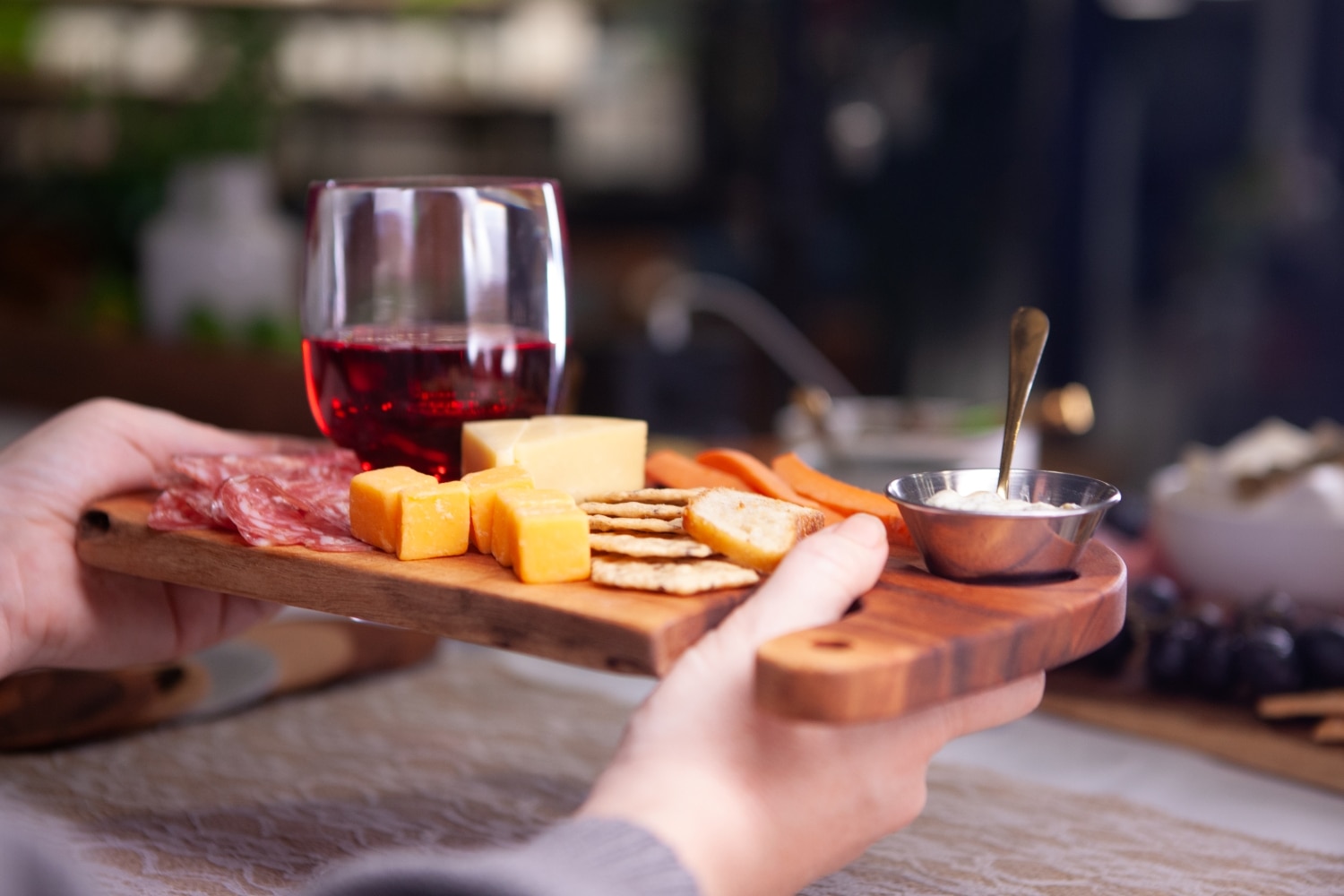
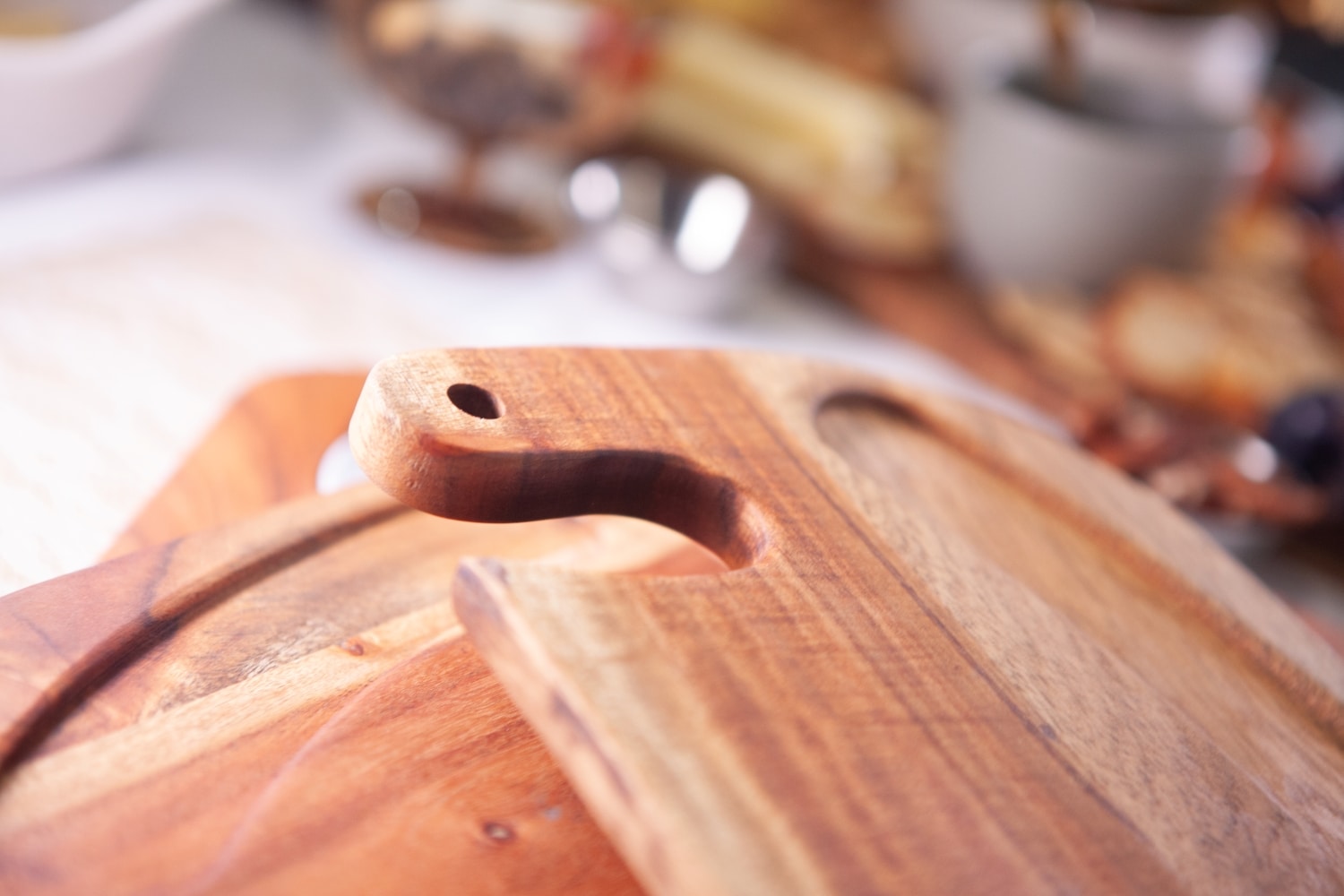
Consider how the board will be used. Can it be carried comfortably? Does it feel balanced? Features like thumb-grip cutouts make a surprising difference when serving guests or moving through a crowd.
Multi-Functional Boards vs. Single-Use Platters
Boards designed with multiple uses in mind offer far more value. Double-sided boards that accommodate food on one side and beverages on the other allow hosts to serve more efficiently without adding clutter to the table.
Where Can I Buy a Charcuterie Board That Does More?
If you’ve asked yourself where can I buy a charcuterie board that’s both beautiful and practical, you’ll find no shortage of options. From big-box retailers to online marketplaces. However, many boards are designed for a single purpose and lack the durability or versatility needed for real hosting.
Calico Custom’s serving board (patent pending) was created to bridge that gap. Hand-crafted from durable primed wood, it’s designed to transition seamlessly from a catered event to everyday use. Built-in sauce cup spaces, a thumb-grip for easy carrying, and a unique double-sided beverage feature allow the board to hold a coffee cup on one side or a stemmed glass on the other. Optional engraved coasters create a flat serving surface and (if desired) double as thoughtful corporate gifts. Rather than being a disposable trend piece, it’s a functional staple built to last.
Charcuterie Boards for Corporate Events & Catering
Charcuterie boards aren’t just for homes! They’re increasingly popular in professional settings where presentation and efficiency matter.
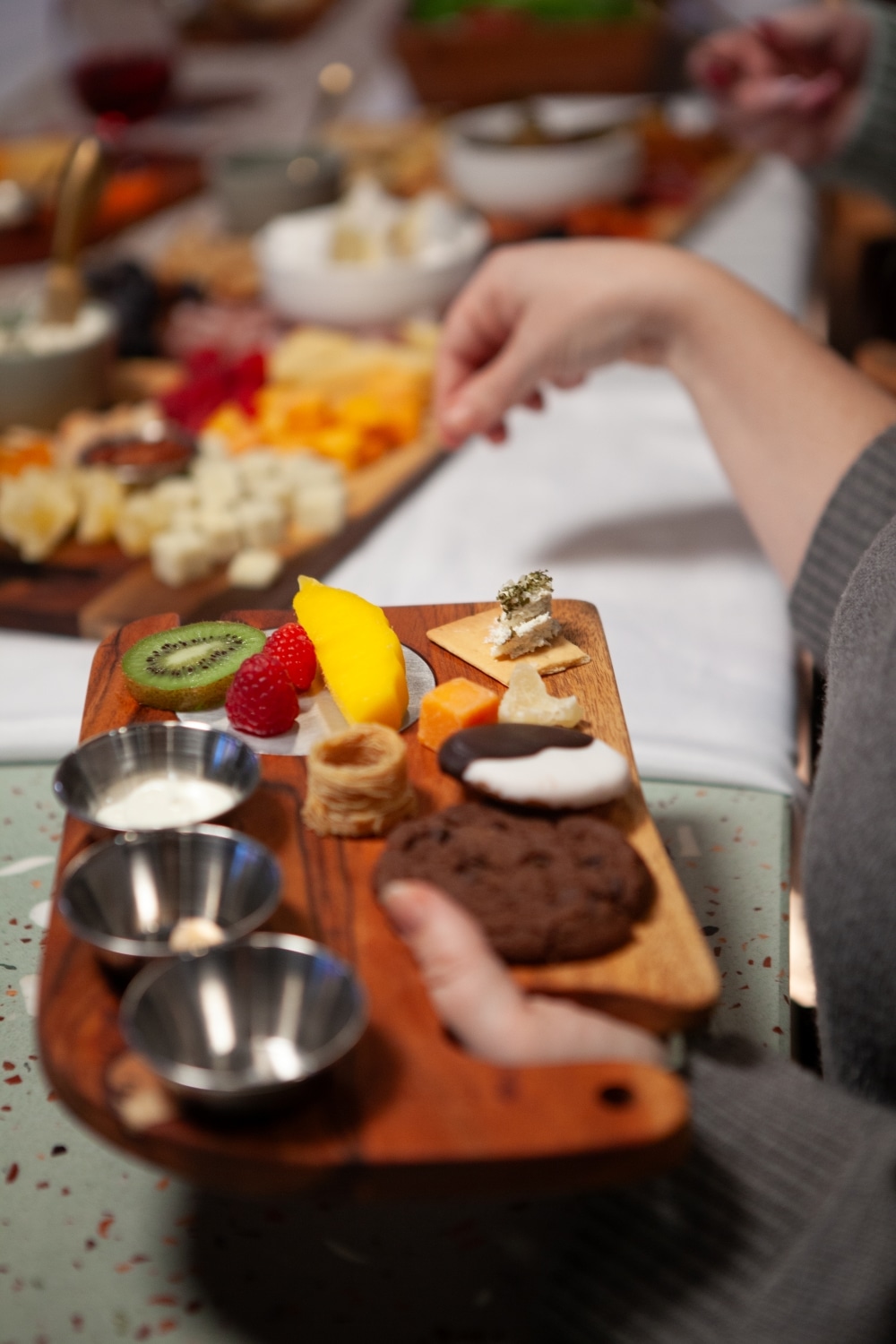
Calico Custom offers corporate catering for meetings, conferences, and networking events using their signature boards to elevate the experience.
Pre-Made Boards vs. Buffet-Style Service
For pre-made boards, companies can choose between options like Desserts & Sweet Bites or Appetizers & Finger Foods, giving guests a ready-to-enjoy spread. Buffet-style service offers flexibility, allowing guests to build their own plates from a curated selection.
Why Presentation Matters in Professional Settings
Clean, mobile serving solutions help events run smoothly. When food is easy to access and visually appealing, it encourages conversation and creates a more relaxed, engaging environment without sacrificing professionalism.
Final Tips for Hosting with Confidence
A great charcuterie board isn’t about doing the most, but about doing things well. Focus on quality ingredients, thoughtful presentation, and tools that make hosting easier. When form and function work together, hosting feels less like a task and more like a moment to enjoy.
Whether you’re serving friends at home or planning a large-scale corporate event, the right board can make all the difference.
Frequently Asked Questions About Charcuterie Boards
How do you make a charcuterie board for beginners?
If you’re new to hosting, start simple. When learning how to make a charcuterie board, focus on a few high-quality ingredients rather than a long list. Choose two to three cheeses, one or two cured meats, a cracker or bread option, and a couple of extras like fruit, nuts, or a dip. Arrange larger items first, then fill in gaps with smaller items to create balance and visual interest.
How much food do I need for a charcuterie board?
A good rule of thumb is about 2–3 ounces of cheese and 2 ounces of meat per person if the board is an appetizer. For events where charcuterie is the main offering, such as meetings or networking events, you’ll want to scale up portions or offer multiple boards to keep things flowing comfortably.
How do you arrange a charcuterie board so it looks professional?
To make a board look polished, start with the largest items like cheeses and sauce cups. Next, add meats in loose folds or rolls, then layer in crackers, fruit, and smaller items. Leave a bit of space between sections so the board feels intentional rather than crowded. Thoughtful layout makes the board easier to enjoy and visually inviting.
What kind of board is best for charcuterie?
The best charcuterie boards are durable, easy to carry, and designed for real use. Wooden boards are popular for their warmth and longevity, especially when they’re finished for durability. Boards that include features like built-in spaces for dips or beverages help keep everything organized and elevate the hosting experience.
Where can I buy a charcuterie board that’s both stylish and functional?
If you’re searching where can I buy a charcuterie board that goes beyond a basic platter, look for one that’s thoughtfully designed for versatility. Calico Custom offers a hand-crafted, primed wood serving board designed for both everyday hosting and professional use. It features built-in sauce cup spaces, a thumb-grip for easy carrying, and a double-sided design that accommodates beverages or a flat serving surface with engraved coasters.
Can charcuterie boards be used for corporate events or catering?
Yes! Charcuterie boards are an excellent option for corporate events because they’re easy to serve, visually appealing, and encourage conversation. Calico Custom provides corporate catering for meetings, conferences, and networking events, offering both pre-made boards and buffet-style service using their signature boards.
Are charcuterie boards only for savory foods?
Not at all. While traditional boards often feature meats and cheeses, charcuterie boards work just as well for desserts, sweet bites, or mixed spreads. Calico Custom offers both Desserts & Sweet Bites and Appetizers & Finger Foods boards for catering, showing how versatile a well-designed board can be.